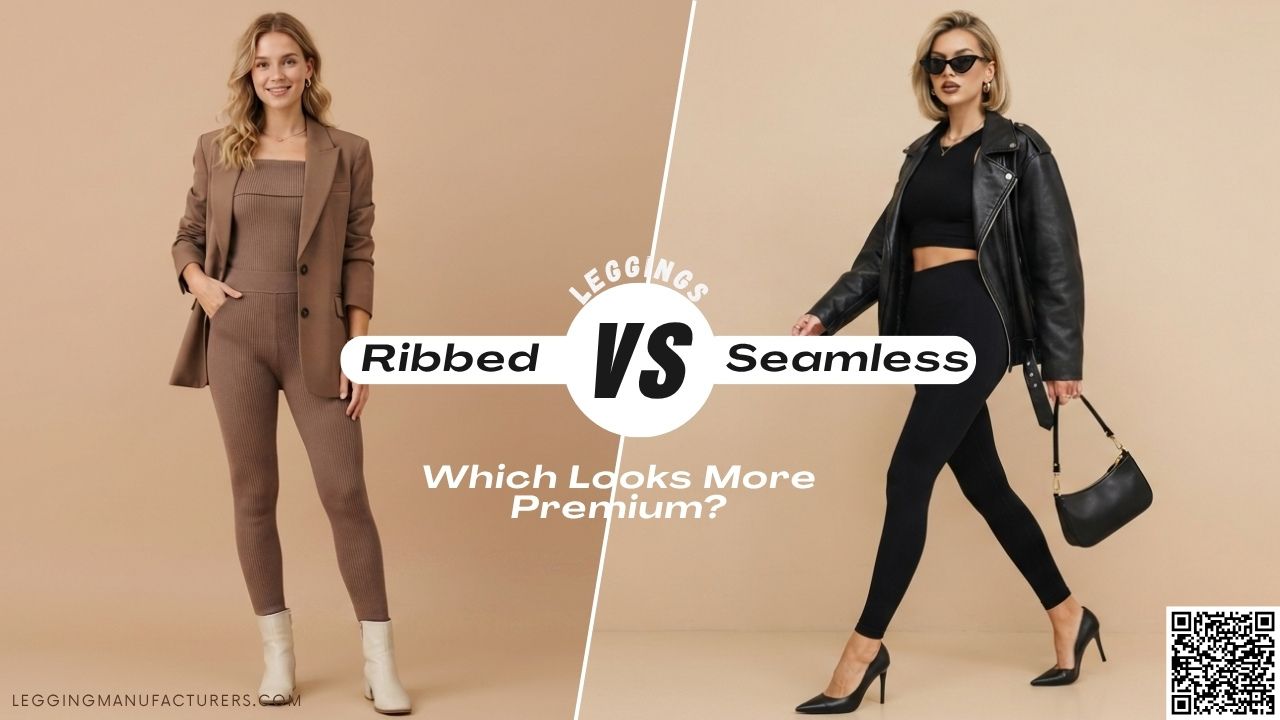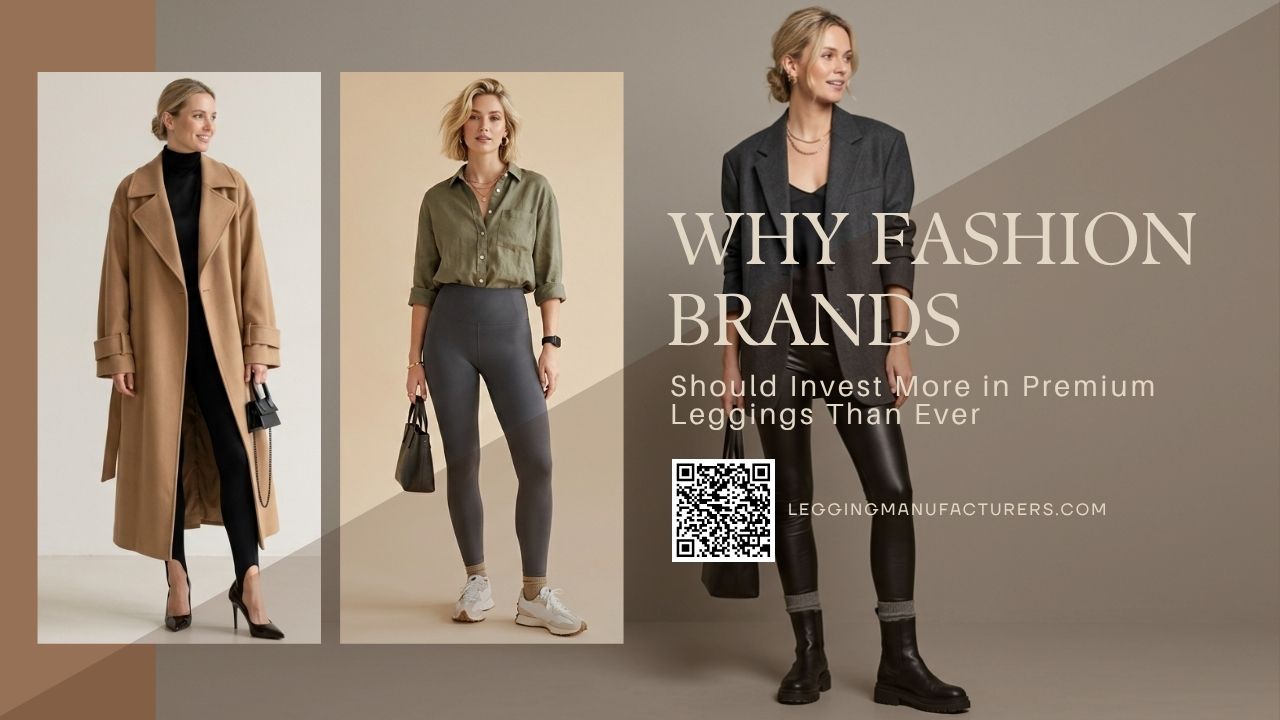

When it comes to modern activewear, leggings are undoubtedly one of the most versatile products that you can see. People wear these during casual dressing, workouts, travel and more. If you want to achieve repeat sales for your brand, you cannot ignore this important category.
However, if you want to create a strong leggings collection that will give you excellent sales figures, you have to focus on more than offering only a few colors and patterns. You have to understand your consumers, offer the right fabrics and do much more. If you are a retailer, private label seller or an activewear brand owner, here is a commercial guide that will definitely help you.
Before you can build a successful leggings collection, you need to have a well-defined, target customer section in mind. It is important to think whether your collection is for:
The product decisions of your customers will likely be impacted by age, style expectations, preferred activities, body preferences, spending habits and a few other factors. When you have a clear idea about your customer profile, it will be easier for you to decide color selection, waistband height, fabric compression and more.
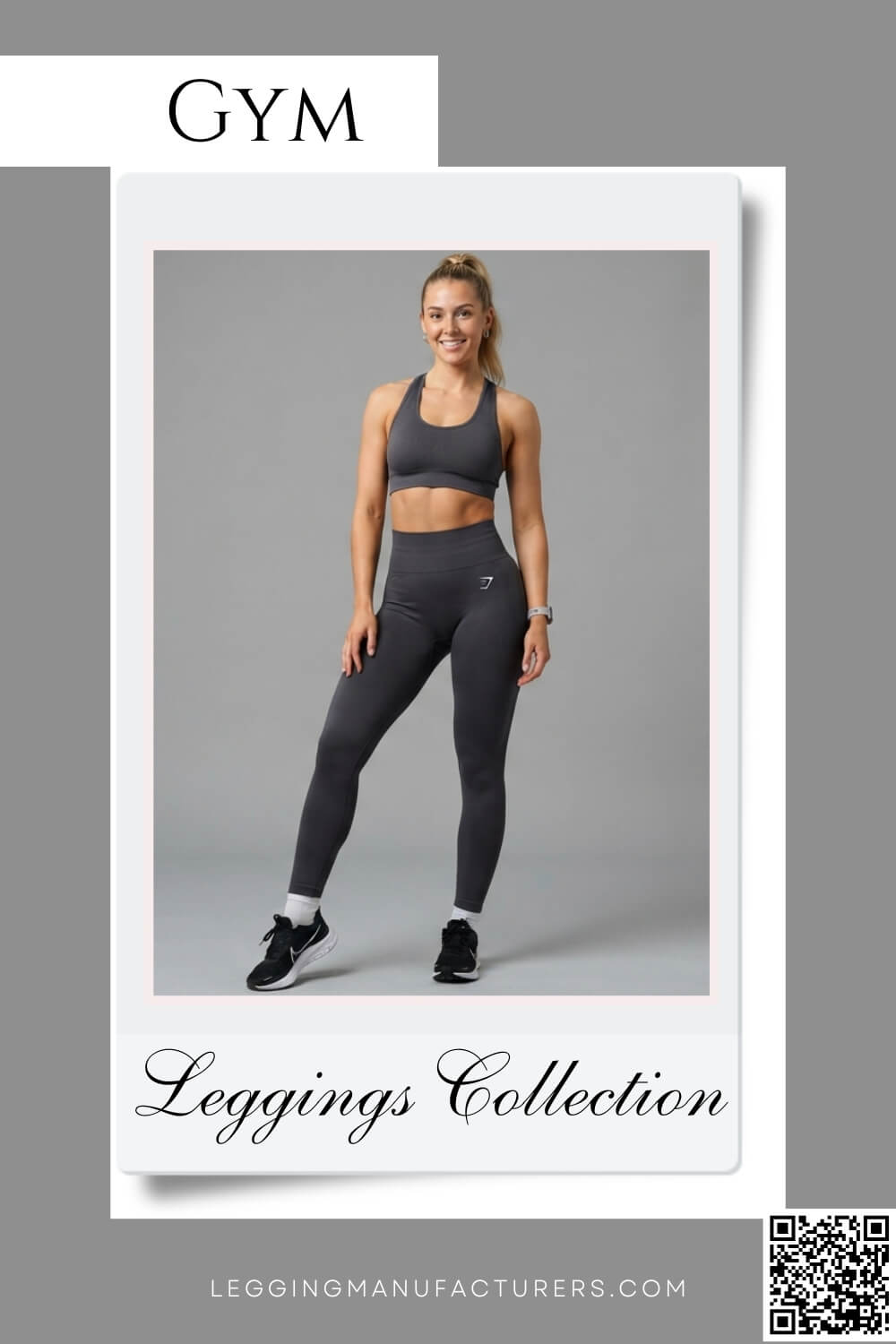
Your collection should revolve around core leggings. These dependable styles should be your centerpiece. People wear these again and again. As an activewear brand owner, you can reorder these leggings confidently.
To add some freshness, you may even develop a few proven silhouettes. Add in high-waisted full-length leggings, classic training leggings and versatile everyday designs.
Try to ensure that the construction looks relatively timeless. By doing this, you can keep your products commercially relevant, season after season.
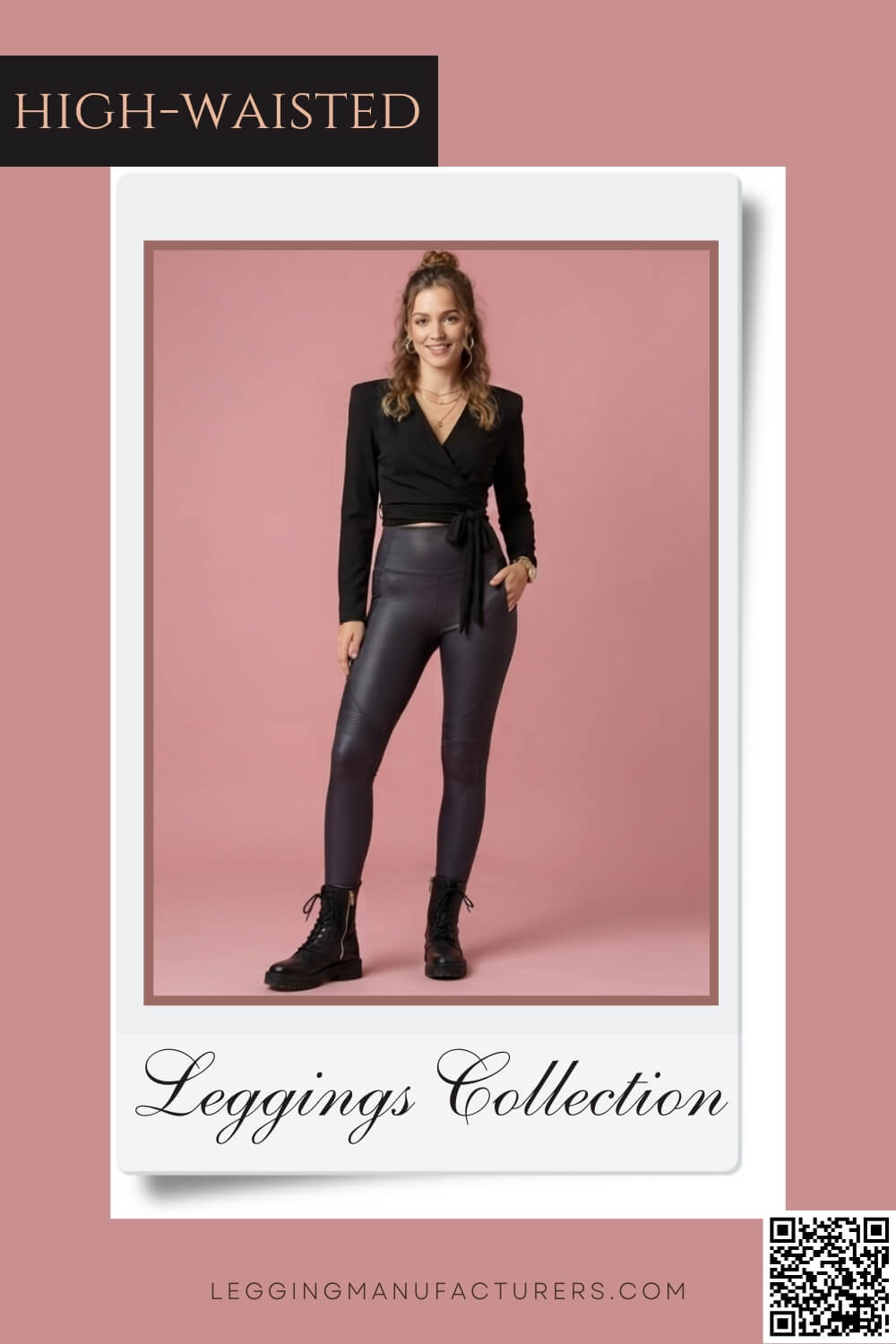
You can excite your customers with trendy leggings. That is for sure. But take care that they complement other leggings and do not end up dominating your collection.
Try to add seasonal freshness with:
You do not have to accommodate every emerging trend. It is better that you introduce leggings of selected styles in smaller quantities. When you do this, you can test the demand and reorder those styles that perform better. You can reduce the risk of ordering products that quickly get outdated.
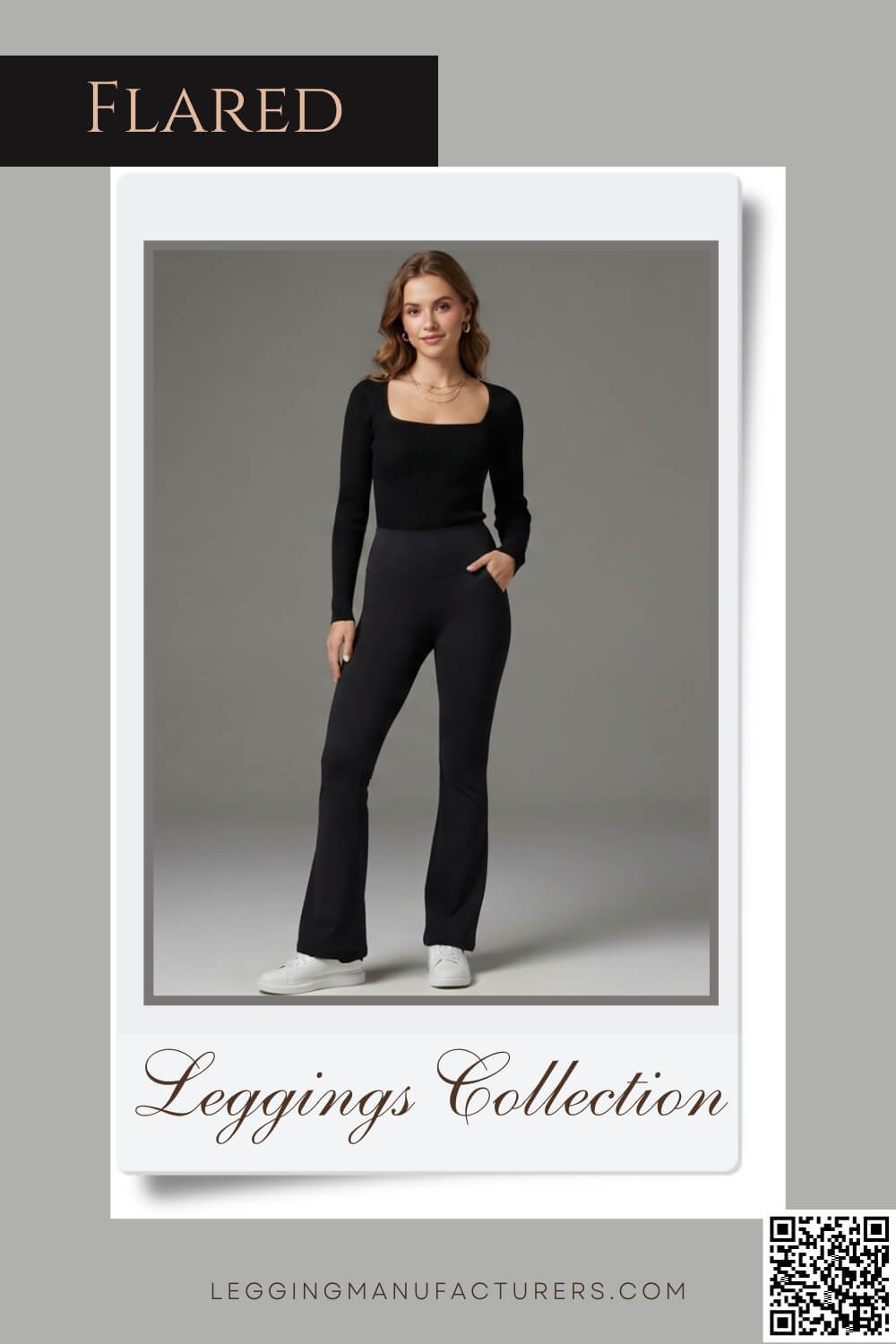
The kind of fabrics that you select will have a direct impact on the feel and performance of the leggings that you stock. You need to consider:
If your leggings will be targeted at workout enthusiasts, order them in supportive, sweat-managing fabrics. However, if you are trying to build a yoga leggings collection, you have to focus more on flexibility and softness. Make sure that the fabrics of your choice match the intended activity that your consumers will buy the leggings for. Do not blindly follow a fashionable fabric trend.
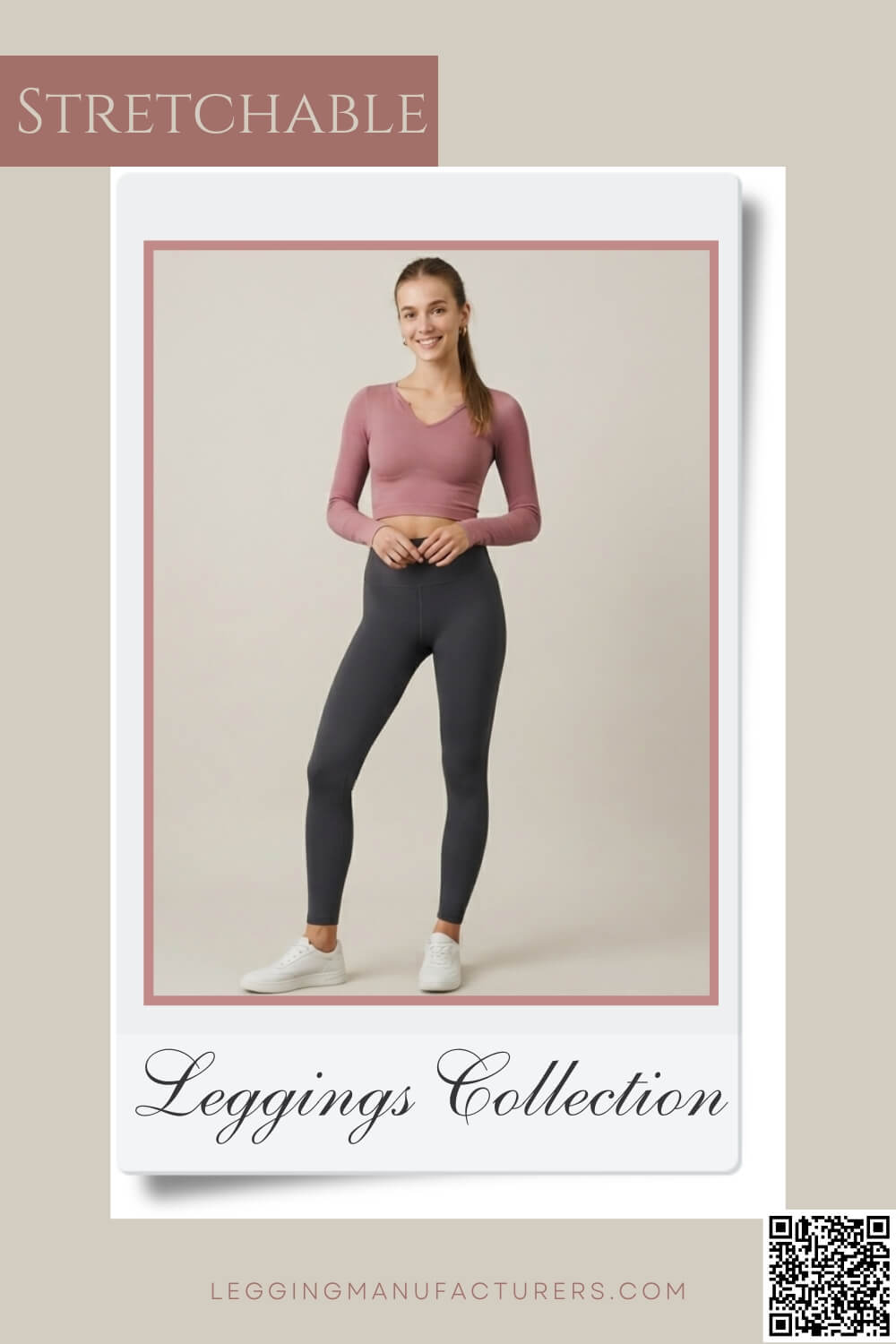
If leggings do not fit well, even attractive pieces will not sell according to your expectations. The waistband has a big impact on comfort, support and the overall appearance of leggings. Thus, you should pay more attention to the construction of the waistband.
Your customers can feel secure with high-rise waistbands. On the other hand, wide elasticated constructions may keep them stable during movement. It is also important to evaluate:
From waistband to ankle, your customers should get a perfect fit all along.
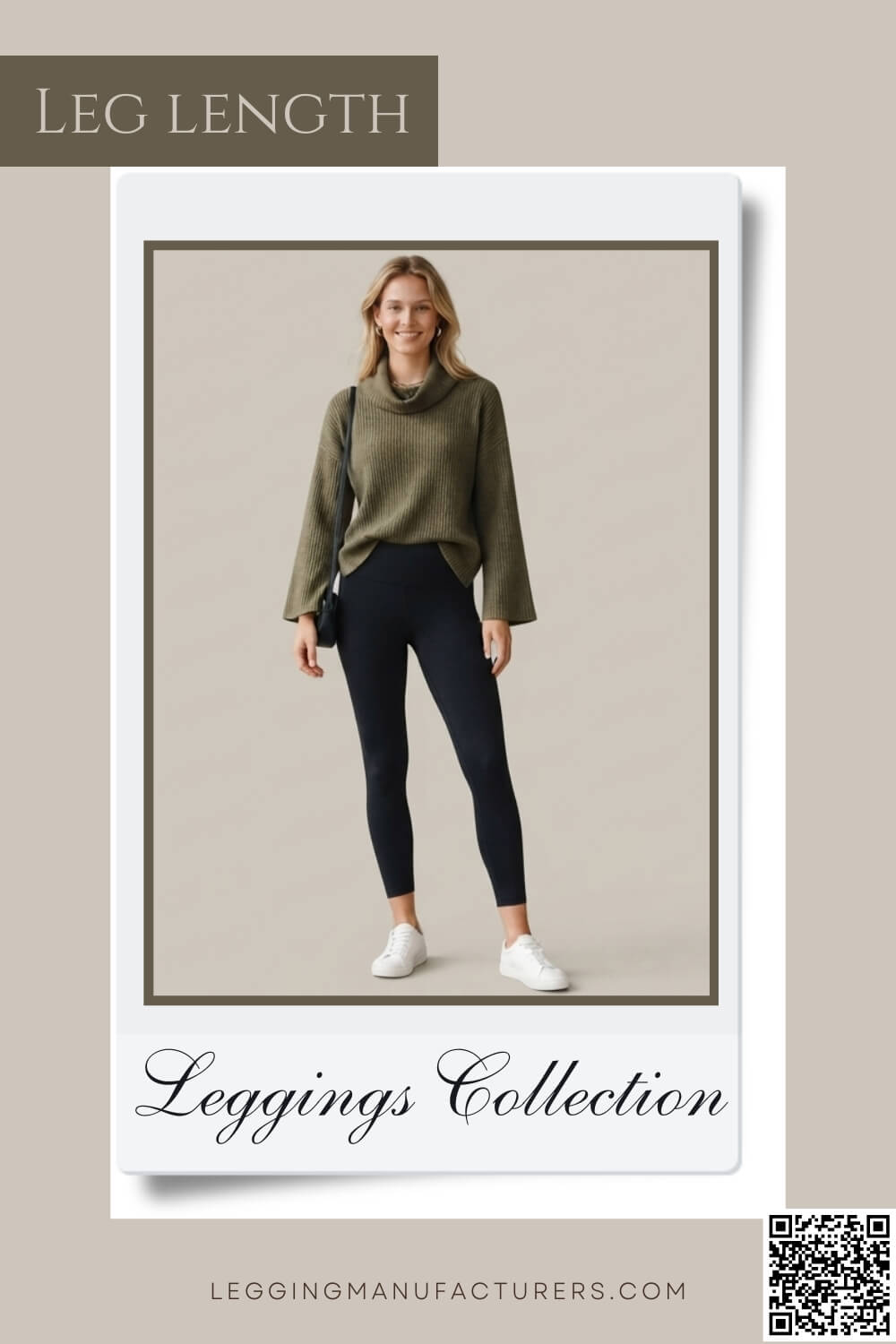
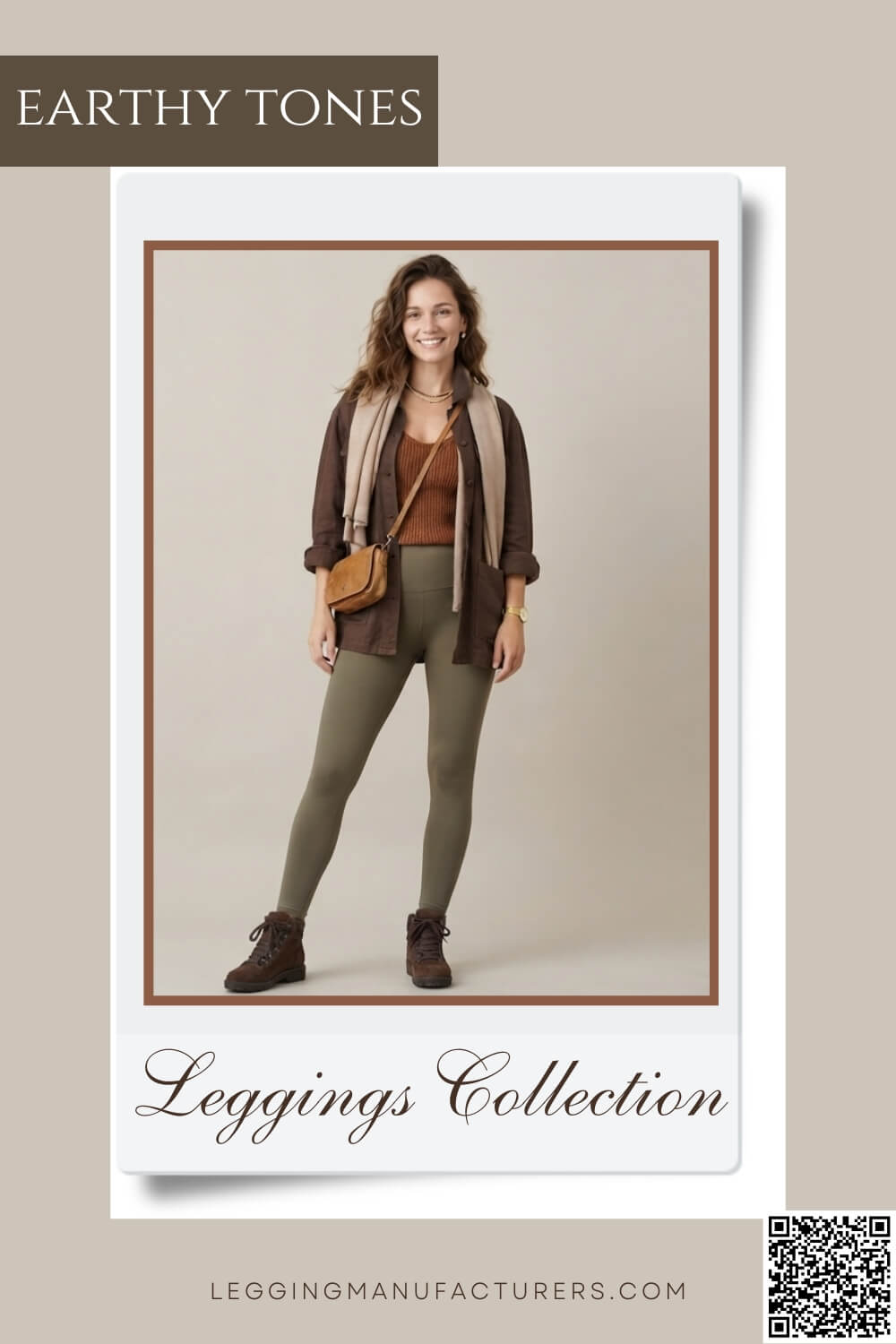
It will be easier for you to promote your collection with a thoughtful color strategy in place. Start with reliable neutral shades such as navy, grey, black or earthy tones. Your choice will be guided by your brand identity. You can add freshness with seasonal colors without overwhelming your collection.
Do not try to introduce many unrelated shades. Instead, try to create a cohesive palette where different types of leggings can work easily with existing tops, jackets, sports bras and accessories.
Basically, these are a few things that you need to do to build a commercially strong leggings collection for your activewear brand. Also, get your pieces from a manufacturing partner you can trust on. Look for experience in activewear production, quality offerings, clear communication and quick delivery. You can expect to repeat customers for your collection.